Top 3 Best Fat Burning Workouts for Belly — Alternatives Compared (2026)
rel="nofollow": they are not endorsements and do not pass ranking signals. We receive no compensation from any product mentioned.
Choosing a workout for "belly fat" usually leads to generic HIIT routines or crunches that ignore the two variables that actually matter: training intensity and weekly volume in the fat-oxidation zone. This 2026 comparison covers three very different approaches — a science-based zone calculator, a wearable-first analytics app, and a gamified group cardio platform — so you can pick the fit that matches your equipment, budget, and motivation style.
Key Takeaways
Table of contents
1. SnapHRZones — Heart Rate Zone Calculators & Training Guides
At a glance
SnapHRZones presents a side-by-side comparison of the Fox, Gulati, and Tanaka maximum-heart-rate formulas inside a single calculator. Gender-specific equations link each estimate to practical training zones, so you can pick a formula that fits your age and sex before planning Zone 2 or fat-burning sessions.
Core features
- Free interactive zone calculators — no signup, no email capture
- Fox, Tanaka, and Gulati formulas compared side-by-side
- Karvonen (heart rate reserve) option using resting HR
- Sport-specific guidance for running, cycling, and swimming
- All processing runs in the browser — no health data leaves your device
Key differentiator
Visible side-by-side output from three validated formulas — most competitors expose only one. For fat loss specifically, this matters because a 40-year-old woman using Gulati will target a Zone 2 ceiling roughly 4–6 bpm lower than the same woman using Fox. That single-digit difference decides whether a "fat-burn" workout actually stays aerobic or slips into carbohydrate-dominant Zone 3.
Pros
- Completely free, no subscription, no account
- Reduces guesswork with peer-reviewed formulas
- Works on any device — no wearable required
- Deep guides for beginners and experienced athletes
- Strong privacy stance (client-side only)
Cons
Formula outputs rely on population averages. For maximum precision, a supervised lactate or VO₂ test at a sports lab remains the gold standard. Users who want live in-workout coaching also need to pair the calculated numbers with a separate wearable.
Best for
Recreational runners, cyclists, swimmers, triathletes, and gym-goers who want a clear Zone 2 target for belly-fat workouts without paying a subscription or wearing a watch. Coaches also use it as a quick client-reference tool.
Real-world use case
A 42-year-old office worker enters age, sex, and a resting HR of 62. The Karvonen calculator returns a Zone 2 range of 125–139 bpm. They use that target for three 45-minute brisk-walk sessions and one 60-minute easy bike ride per week, alongside a modest calorie deficit. The calculator's job is defining the target range; how body composition responds varies from person to person.
Website: snaphrzones.com
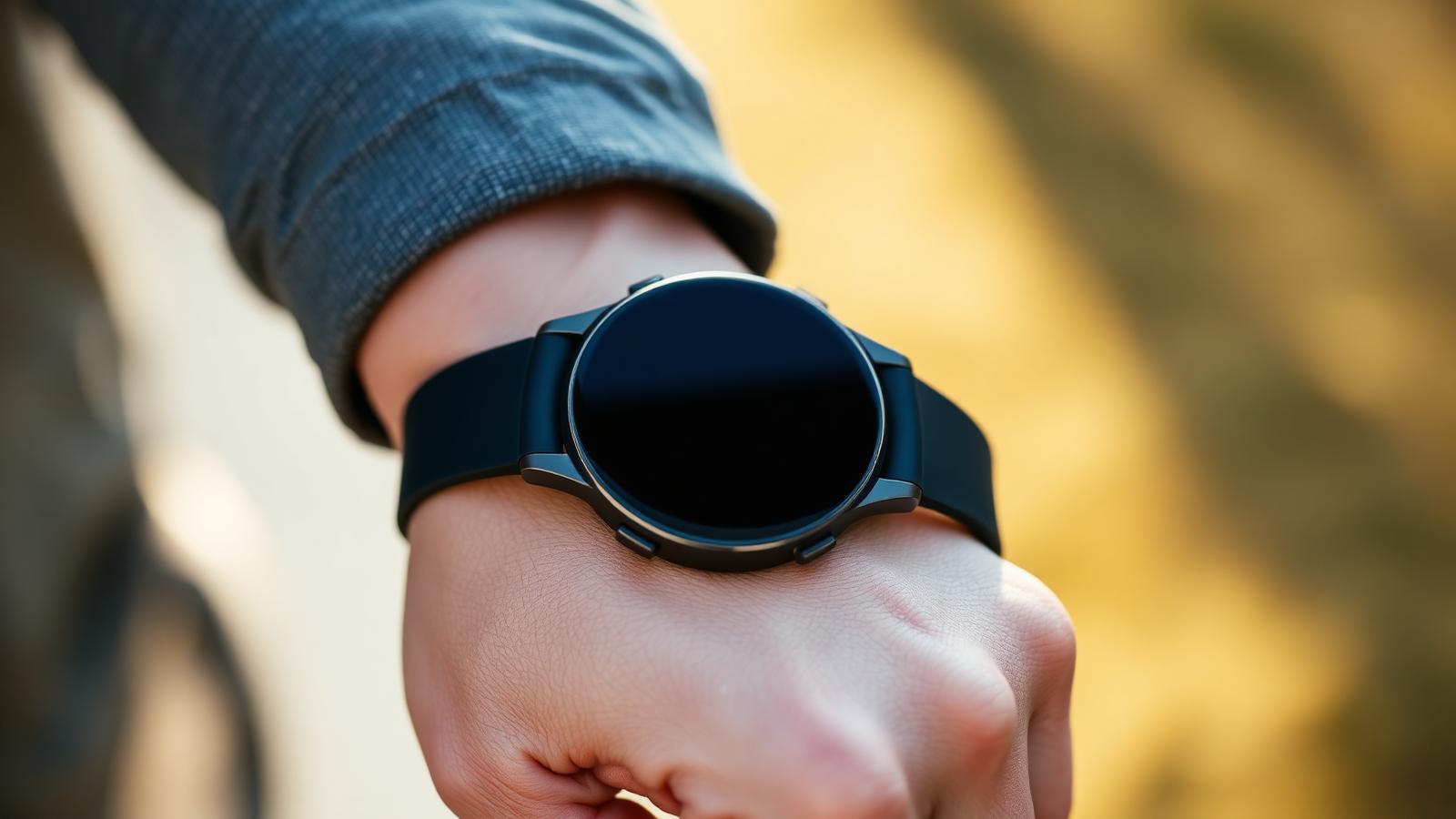
2. FITIV Pulse — Wearable-First Analytics & Recovery
At a glance
FITIV Pulse streams live heart rate and activity from Apple Watch and third-party sensors, layering GPS route heatmaps and a daily readiness score on top of workout data. The app blends training load, sleep, and recovery in a single mobile view.
Core features
- Advanced heart rate metrics and GPS route tracking
- Training load and daily readiness score
- Sleep and recovery integration
- Voice coaching and guided interval workouts
- Live activity display on Apple Watch
Key differentiator
FITIV Pulse pairs wearable-sourced metrics with recovery analytics to guide day-to-day training decisions. Compared with SnapHRZones' calculator-first approach, FITIV is about continuous telemetry: it tells you not only what zone to train in, but whether your body is recovered enough to train hard today.
Pros
- Comprehensive intensity, load, and recovery view in one app
- Live heart rate streaming from Apple Watch and chest straps
- Personalized readiness score removes guesswork on hard-vs-easy days
Cons
- Learning curve — many metrics that require interpretation
- Subscription pricing is not fully disclosed publicly
- Third-party integrations are not exhaustively documented
When it may not fit
Avoid FITIV Pulse if you want a lightweight zone calculator and nothing more, if you require full pricing transparency before trying an app, or if your training depends on a specific ecosystem integration that isn't listed.
Best for
Fitness-conscious athletes who already own an Apple Watch or chest strap and want continuous heart rate, GPS mapping, and sleep data in one place.
Pricing
Free trial with in-app purchases or subscription options; specific costs are not published on the marketing site. Available on iOS and Android.
Website: fitiv.com
3. HeartHero — Gamified Cardio & Community
At a glance
HeartHero bundles leaderboards, club challenges, and streaks around cardio workouts, targeting both individual members and gyms that want to monetize remote member activity. Motivation and retention are the primary product.
Core features
- Gamified cardio workouts with progress tracking and streaks
- Club challenges and leaderboards
- Trainer accountability tools
- Business model that lets gyms earn revenue from home training
Key differentiator
HeartHero mixes gamification with community mechanics so heart health and engagement move together. It behaves more like an engagement engine than a workout library — the social layer is the product.
Pros
- Gamification meaningfully improves adherence for many users
- Community features and club challenges support retention
- Trainer-facing tools help gyms monetize remote training
Cons
- Limited public information on personalized training plans
- No published data-privacy or security documentation
- Potential onboarding complexity for non-technical members
- No explicit wearable integrations listed
When it may not fit
If you need deep wearable integration, documented privacy controls, or highly personalized training plans for clinical populations, look elsewhere. Small gyms with limited tech support may also find onboarding demanding.
Best for
Health-conscious people who thrive on social competition, and gyms wanting to run member challenges and improve retention through gamification.
Pricing
Not publicly listed. The platform highlights a revenue model for gyms but does not publish subscription tiers on the main pages — prospective buyers must contact HeartHero for commercial terms.
Website: hearthero.app
Side-by-Side Comparison Table
| Product | Core feature | Differentiator | Best for | Notable limit |
|---|---|---|---|---|
| SnapHRZones | Scientific heart rate zone calculators | Gender-specific, multi-formula comparison | Endurance athletes and coaches | Population-average estimates, no live telemetry |
| FITIV Pulse | Wearable metrics & recovery analytics | Continuous tracking with readiness score | Watch owners who want deep analytics | Subscription pricing not disclosed |
| HeartHero | Gamified cardio & community | Leaderboards and club challenges | Gyms and socially motivated members | Limited wearable integrations and customization |
Editorial pick for belly fat specifically: Use SnapHRZones to calculate your Zone 2 range once, then decide whether you want a wearable app (FITIV) for live feedback or a community layer (HeartHero) for adherence. The plan comes from the calculator; the app you choose is about execution.

The Science: Why Zone Selection Beats "Belly Workouts"
Spot reduction — losing fat from a specific area by exercising it — is not physiologically possible. A 2011 study by Kordi et al. in the Journal of Strength and Conditioning Research confirmed that six weeks of dedicated abdominal training produced no measurable change in abdominal fat compared with a control group. What works instead is a whole-body approach that maximizes fat oxidation across enough weekly volume to shift 24-hour energy balance.
That is where Zone 2 comes in. Between roughly 60% and 70% of your maximum heart rate, your body pulls the highest percentage of energy from fat. It is also the intensity you can sustain for 60–90 minutes without wrecking recovery, which is what lets weekly training volume — and therefore weekly fat oxidation — accumulate. Read our deeper explanation in Is Zone 2 Training Best for Fat Loss?
Higher-intensity work (Zone 4+) burns more total calories per minute but shifts the fuel mix toward carbohydrate and demands 24–48 hours of recovery. The classic polarized approach — 80% easy, 20% hard — outperforms moderate "always Zone 3" training for both endurance and body composition. See our full write-up on the 80/20 method for the underlying research.
A Ready-to-Use 4-Week Belly-Fat Protocol
Use SnapHRZones' Fat Burning Zone calculator to lock in your Zone 2 range first (or apply the Karvonen method if you know your resting HR). Then follow this template:
| Day | Session | Duration | Target zone |
|---|---|---|---|
| Mon | Brisk walk or easy bike | 45 min | Zone 2 |
| Tue | Full-body strength circuit | 30 min | Mixed |
| Wed | Zone 2 run/bike | 60 min | Zone 2 |
| Thu | Rest or mobility | 20 min | Zone 1 |
| Fri | 6×3 min intervals | 40 min | Zone 4 |
| Sat | Long Zone 2 session | 75–90 min | Zone 2 |
| Sun | Rest, walk, or easy swim | 30 min | Zone 1–2 |
Pair this with a modest 300–500 kcal daily deficit and 1.6–2.0 g of protein per kg of bodyweight. Track waist circumference weekly (a tape measure is more reliable than a scale for visceral-fat changes). How quickly that measurement moves varies widely between individuals.
Continue your training
FAQ
What is the single best workout for burning belly fat?
There isn't one. Spot reduction is not physiologically possible. The most effective approach combines 3–5 weekly Zone 2 sessions with 1–2 higher-intensity sessions and a modest calorie deficit.
How does SnapHRZones compare to FITIV Pulse for fat loss?
SnapHRZones designs the plan (free, no wearable). FITIV Pulse executes it with live telemetry (paid, wearable required). They are complementary rather than competing.
Is Zone 2 really the best heart rate zone for belly fat?
Zone 2 maximizes fat oxidation per minute and is sustainable long enough to accumulate weekly volume. Combined with occasional harder efforts and dietary control, it is the most efficient zone for belly-fat outcomes.
Do I need a wearable?
No. A chest strap, wrist optical monitor, or the talk test is enough. SnapHRZones' calculators give you the target numbers; the wearable is optional.
How long until belly fat noticeably decreases?
There is no reliable general answer. The rate differs widely between individuals and depends on sustained energy balance, sleep, and total training volume rather than on any single workout type.
Ready to calculate your fat-burning zone?
SnapHRZones' calculators are free, require no signup, and process everything in your browser.
Related Articles
Fat Burning Zone Calculator
Get your personal Zone 2 fat-burning heart rate range.
Zone 2 and Fat Loss
What peer-reviewed science says about Zone 2 for weight management.
What Is My Heart Rate Zone 2?
Find your exact Zone 2 range in seconds — with age-specific tables.
Zone 2 Heart Rate Guide
Complete Zone 2 protocol — mitochondrial biogenesis, fat oxidation, and training plans.
80/20 Polarized Training
Why 80% easy + 20% hard outperforms moderate-intensity for fat loss.
Heart Rate Training for Beginners
New to zone training? Start here.
Karvonen Method Explained
More precise fat-burning zone using resting heart rate.
Browse All Guides →
View the complete collection of heart rate training guides.
Health disclaimer: SnapHRZones publishes educational content, not medical advice. Consult a physician before starting a new training program, especially if you have a cardiovascular condition or are over 40 and previously sedentary.