
SnapHRZones / Training library
Heart Rate Training Guides
From your first training zones to your next long run. Find the knowledge that fits your training.
Start here: Heart Rate Zones Explained38 guides · 6 topics
Fresh from the library

How to Raise Your Heart Rate Safely During Exercise
Raise your heart rate safely during exercise with a gradual warm-up, pickups, hills and intervals, plus a 20-minute example session and when a low pulse needs care.

Heart Rate Spikes When Running: Causes and What to Do
Sudden heart rate spike on a run? Tell a sensor glitch from a normal rise or cardiac drift, and know when an episode needs medical care.

Older Runners and Heart Rate: What Changes and How to Train
How heart rate changes as runners age, why max heart rate formulas miss, and how to pair zones with effort and know when a number needs a doctor.
Start Here
The essentials for your first heart rate–guided sessions.

How to Calculate Your Heart Rate Zones Correctly
Step-by-step guide to calculating zones using the %MHR and Karvonen methods. Includes common mistakes, when to recalculate, and formula comparison.

Heart Rate Training for Beginners
New to heart rate training? Start here. The only two zones you need, a simple weekly plan, wearable basics, and how to avoid overwhelm.

Heart Rate Training Without a Monitor: A Runner’s Guide
You can train by heart rate zones without a strap or watch. Learn the talk test, RPE, and a manual pulse check, and how to set effort for runs.
Zone 2 & Fat Loss
Easy aerobic training, fat burning and workouts for fat loss.

Is Zone 2 Training Best for Fat Loss?
What science actually says about the fat-burning zone. Fuel source vs total calorie burn, HIIT comparison, and a practical fat loss training structure.

What Is My Heart Rate Zone 2? Calculate Yours Now
Zone 2 is 60–70% of your max HR. Learn to calculate yours with the Fox, Tanaka, and Karvonen formulas, with worked examples by age.
Top 3 Best Fat Burning Workouts for Belly (2026 Comparison)
Honest comparison of SnapHRZones, FITIV Pulse, and HeartHero for belly-fat workouts — plus a ready-to-use 4-week Zone 2 protocol.
Zone 2 Heart Rate Training Guide
Deep dive into Zone 2 — mitochondrial biogenesis, fat oxidation, age-specific tables, and how to structure Zone 2 sessions for running and cycling.
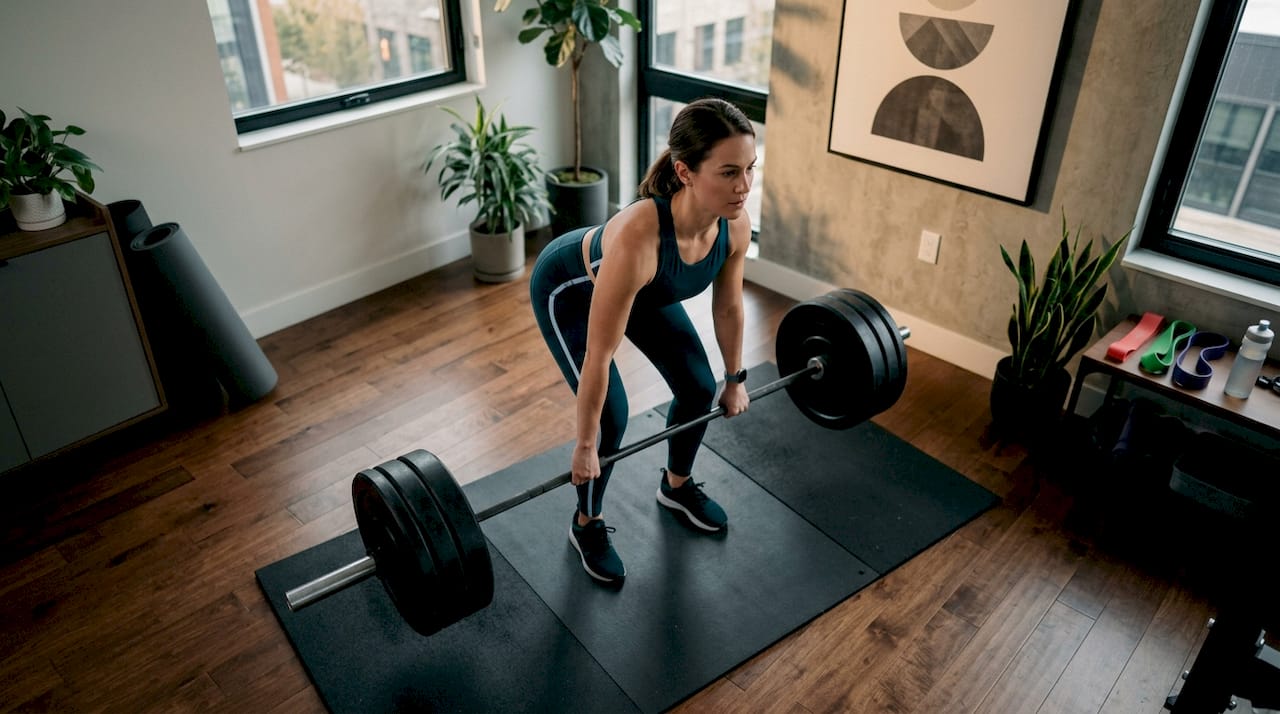
Fat Burning Strength Workouts: A Practical Guide
Learn how to combine strength training, progressive overload, recovery, and cardio in a practical fat-loss workout plan.

60–70% Max Heart Rate: A Zone 2 Guide for Runners
Learn what 60–70% of max heart rate means, why Zone 2 percentages vary, and how age-based, Karvonen, talk test and threshold methods differ.

Zone 2 Walking: Pace, Incline, Talk Test and Workout Progression
Can walking get you into Zone 2? How to use pace, incline, the talk test and RPE, what to do when walking stays too easy, and how to progress a Zone 2 walking routine.

Try a 3–6% Incline for Your Zone 2 Treadmill Workout
Set a Zone 2 treadmill pace with 3–6% incline starting points, heart rate checks, short workouts, and a free calculator for your personal BPM target.
Running, Cycling & Strength
Practical training guides for your sport and your next session.

Cycling Heart Rate Zones Guide
Why cycling HR runs lower than running, sweet spot training, power vs heart rate, indoor trainer considerations, and sport-specific zone adjustments.

Zone 3 Training: When Runners and Cyclists Should Use It
Learn what Zone 3 training means, how 70–80% max HR differs from lactate-threshold work, and how runners and cyclists can use tempo training effectively.

Zone 5 Training: VO2max Intervals, Workouts & Heart Rate
Learn what Zone 5 training means, how VO2max intervals work, and how runners, cyclists and rowers can structure hard sessions safely and effectively.

High Heart Rate on Slow Runs? 4 Checks Before You Change Pace
Find out why your heart rate rises on slow runs, troubleshoot heat and sensor errors, check your zones, and recalculate them with SnapHRZones.

Interval Training Heart Rate: Targets for Work and Recovery
How to use heart rate in interval training: work and recovery targets as a percent of max, a worked 4x4 example, why HR lags, and when to trust effort instead.

Long Run Heart Rate: Zones, Drift and What to Aim For
What heart rate should you hold on a long run? See the zone range, a worked example, how cardiac drift changes the numbers, and when to slow down.

Heart Rate Zones for Strength Training: What to Know
Heart rate zones for strength training work differently than for running. See what your pulse can and can't tell you, and how to use it between sets.

Tempo Run Heart Rate: Targets, Zones and How to Pace It
What heart rate should a tempo run hit? See the typical percent-of-max ranges, how threshold fits in, and how heat and fatigue shift the numbers.

Running vs Cycling Heart Rate Zones: Why They Differ
Running and cycling heart rate zones are not interchangeable. See why your heart rate differs by sport, what research shows, and how to set zones for each.
How to Raise Your Heart Rate Safely During Exercise
Raise your heart rate safely during exercise with a gradual warm-up, pickups, hills and intervals, plus a 20-minute example session and when a low pulse needs care.
Heart Rate Science
Understand your numbers, from resting heart rate to recovery and drift.

Resting Heart Rate vs Max Heart Rate
What each metric means, how they differ, why heart rate reserve matters, and how both numbers combine for more accurate training zones.

Max Heart Rate Formulas Compared
Fox vs Tanaka vs Gellish vs Nes vs Gulati across ages 20–70 — how the formulas differ and which one fits you.

Why Heart Rate Rises in the Heat — and Why There Is No Fixed BPM Rule
Heat raises heart rate during exercise, but there is no fixed BPM-per-degree rule. Learn why cardiovascular drift, humidity, hydration and acclimation change your numbers — and how to adjust training safely.

HRV vs Heart Rate: Pick One and Build a Baseline in 2–4 Weeks
Decide whether to track HRV or resting heart rate for recovery. Follow a simple daily protocol and build your baseline in 2–4 weeks.

Heart Rate Drift for Runners: Measure Durability Without a Lab
Learn why heart rate rises during steady exercise, how to run a repeatable Pa:HR field test, and how decoupling benchmarks can guide training decisions.

Heart Rate Recovery: Compare Readings at the One Minute Mark
Measure heart rate recovery after exercise at 60 seconds, compare readings, understand what affects results, and use steps backed by research to track trends.
Older Runners and Heart Rate: What Changes and How to Train
How heart rate changes as runners age, why max heart rate formulas miss, and how to pair zones with effort and know when a number needs a doctor.
Heart Rate Spikes When Running: Causes and What to Do
Sudden heart rate spike on a run? Tell a sensor glitch from a normal rise or cardiac drift, and know when an episode needs medical care.
Training Methods & Thresholds
Explore structured training, field tests and threshold-based zones.

80/20 Polarized Training Method
Dr. Stephen Seiler's research explained. Why 80% easy and 20% hard outperforms moderate training — with weekly plan examples and zone distribution.

Karvonen Method Explained
Full breakdown of the Heart Rate Reserve formula — why resting heart rate matters, worked examples, and who benefits most from this personalized approach.

Aerobic Threshold Heart Rate for Athletes: Find It, No Lab Needed
Find your aerobic threshold heart rate with a talk test or steady state field test, then use the result to set personal Zone 2 ranges and workouts.

MAF Test: Use the 180 Formula to Track Monthly Running Pace
Learn the MAF 180 Formula, run a repeatable heart rate test, check five-mile pace examples, and interpret monthly results without confusing MAF with Zone 2.

How to Set Heart Rate Zones From Your LTHR
Find your lactate threshold heart rate, turn it into training zones with simple percentages, and enter them in your watch. A step-by-step guide for runners.
Watches & Wearables
Set up your watch and make sense of its heart rate zones.

Apple Watch Heart Rate Zones: How They Work & When to Edit Them
Learn how Apple Watch heart rate zones work, how to view and edit them, what the accuracy research shows, and when manual zones may be useful.

Garmin Heart Rate Zones: How to Set 5 Zones and Train Zone 2
How Garmin heart rate zones work, how to set them by %Max HR, %HRR or %LTHR, why your zones differ from a friend's, and how to read a Garmin Zone 2 workout.

Fitbit Heart Rate Zones: How They Work and How to Use Them
How Fitbit calculates heart rate zones, what the fat burn label really means, why zone minutes change, and how runners can compare them with five-zone training.
Put your numbers to work
All Heart Rate Zones
Calculate all five heart rate training zones.
Max Heart Rate
Estimate maximum heart rate from age and sex.
Fat Burning Zone
Calculate your estimated Zone 2 range.
Cardio & Peak Zones
Calculate your Zone 4 and Zone 5 ranges.
Karvonen (HRR)
Calculate zones using resting and maximum heart rate.
80/20 LTHR Zones
Calculate seven zones from your lactate threshold heart rate.
LTHR Field Test
Estimate threshold heart rate from a 30-minute field test.
Explore by age & sport
Questions about heart rate training?
Browse FAQDisclaimer: This calculator is for informational purposes only and does not provide medical advice. Always consult with a healthcare professional before starting any new exercise program.